The World of Mahjong: A Timeless Classic
Origins and Evolution of Mahjong
Mahjong is a tile-based game that originated in China during the Qing dynasty. It has since spread across the world, capturing the interest of millions. The game's global reach is attributed to its unique combination of skill, strategy, and chance, making it an exhilarating experience for players of all ages.
Understanding the Basics of Mahjong
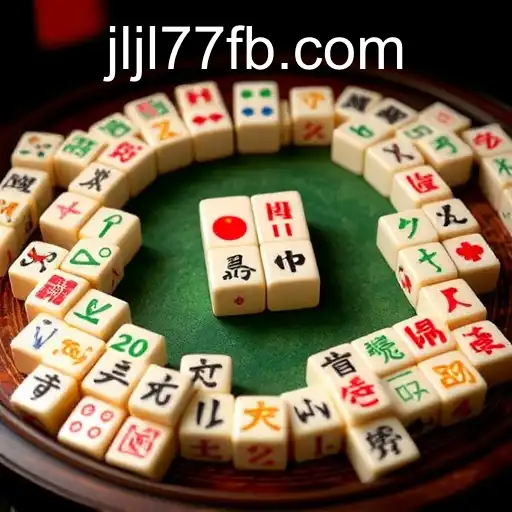
Each standard Mahjong set consists of 144 tiles based on Chinese characters and symbols. The tiles are divided into three categories: Bamboo, Characters, and Dots. Additionally, there are four "Wind" tiles, three "Dragon" tiles, and eight bonus Flower tiles.
The Game Structure
Mahjong is typically played by four players. The goal is to form a complete hand, often referred to as a "mahjong," which consists of four sets of three tiles and one pair. Players draw and discard tiles in turn until one player achieves the winning hand.
Scoring in Mahjong
Scoring differs across various regional variations of Mahjong. Generally, points are awarded based on the complexity and rarity of the completed hand. Some hands have special scoring bonuses, adding to the game's strategic depth.
Variations and Adaptations
Mahjong has several variations that reflect regional preferences and traditions. Notably, Japanese Mahjong (also known as Riichi) and American Mahjong have unique rules that distinguish them from the classic Chinese version.
Japanese Mahjong (Riichi)
Japanese Mahjong introduces a scoring system that emphasizes tactical play and includes unique winning hands known as "Yakus." This format often incorporates a scoring stick system, which enhances the competitive element of the game.
American Mahjong
American Mahjong features distinctive Joker tiles and a yearly updated card that lists winning hands. This version emphasizes pre-defined hands, introducing variations in strategy and play.
The Popularity and Cultural Significance of Mahjong
Over the years, Mahjong has become more than just a game; it is a cultural phenomenon. Events and tournaments attract players worldwide, and its influence can be seen in various media, from films to literature. It symbolizes a bridge between eras, fostering connections among diverse cultures.
The Mahjong Community
The global Mahjong community is vibrant, with online platforms like JLJL77.COM offering players opportunities to engage with others, learn game strategies, and compete in tournaments. Such platforms significantly contribute to the game's enduring popularity.
Strategies and Tips for Aspiring Mahjong Players
While luck plays a role in Mahjong, strategic thinking and keen observation often determine the outcome. Here are some tips to help improve your gameplay:
1. Understanding Tile Efficiency
The ability to quickly identify potential winning combinations is crucial. Players must be adept at determining which tiles to retain or discard based on their potential to complete a "mahjong."
2. Observing Opponents
Observation skills are vital in Mahjong. By monitoring your opponents' discards, you can anticipate their needs and adjust your strategy accordingly to limit their success.
3. Maintaining Flexibility
Flexibility in strategy allows players to adapt to the evolving game state, enhancing their chances of success. This includes readiness to switch between different potential winning hands as the game progresses.
Conclusion: Mahjong’s Timeless Appeal
Mahjong continues to captivate players worldwide with its perfect blend of strategy, skill, and luck. Whether playing a casual game with friends or participating in competitive tournaments, Mahjong offers an enriching experience that transcends cultural and linguistic barriers.